Before & After
Click on a photo to enlarge.
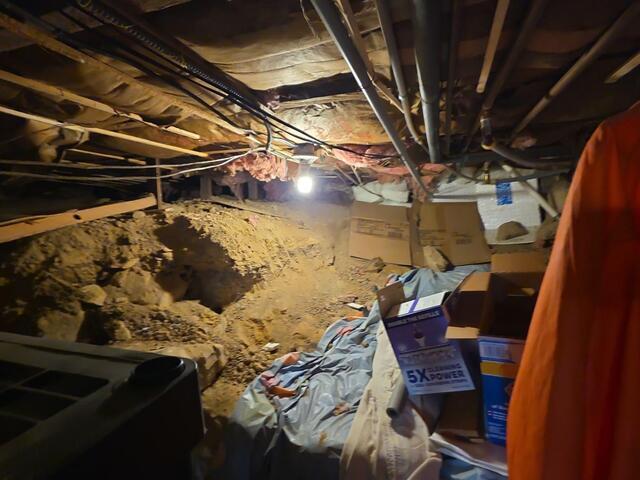
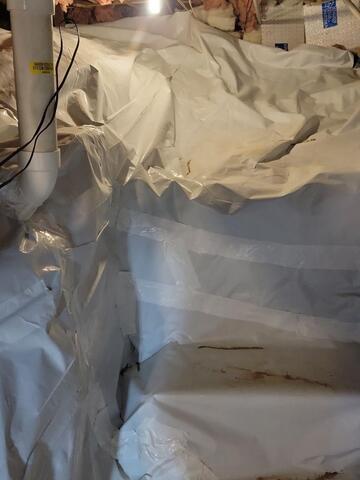
Encapsulating the dirt floor creates a durable, continuous vapor membrane barrier across the unpaved crawl space. This membrane isolates the soil from the home, trapping soil gas beneath the barrier so the high-efficiency radon mitigation fan can draw and exhaust it safely out of the structure.
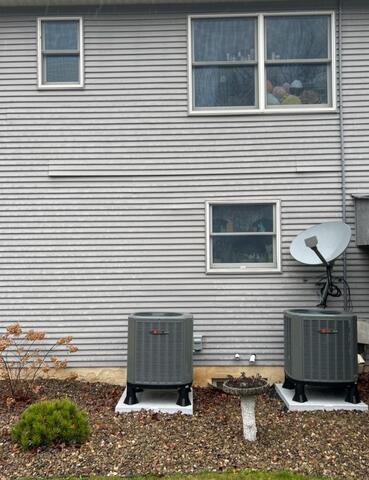
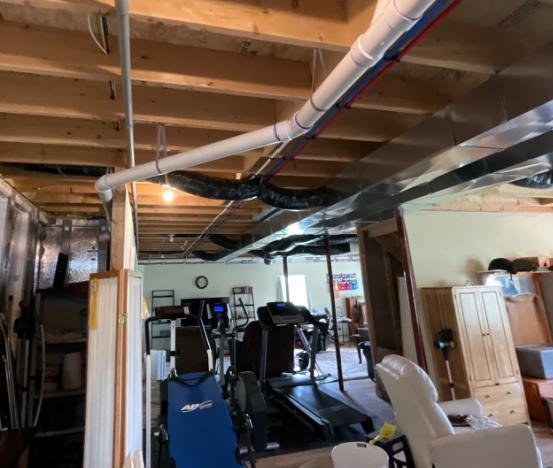
Before: A 1996 Spring Mills home featured a partially finished basement and elevated radon levels that posed a potential health risk to his family. With no existing mitigation system in place, the home needed a tailored solution capable of effectively drawing gas from beneath the foundation without disrupting the finished living areas.
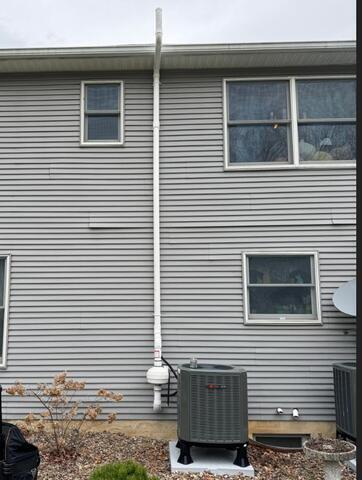
After: Oak Leaf Environmental designed and installed a custom residential radon mitigation system. By strategically placing a core pit in the rear unfinished section of the basement and neatly routing the exhaust piping out the back of the home, the team lowered radon levels safely and discreetly, giving the homeowner complete peace of mind.
We stopped by a customers home in Wellsboro to check out her setup, where an existing passive radon pipe was doing its best impression of a working system. Since passive vents rely mostly on luck and gentle breezes to move gas, we're gearing up to install a full sub-slab depressurization system with a proper fan at the end of September. Consider this the "before" shot—check back in a few weeks, and we'll post the updated photos showing what a real, fully powered radon setup looks like!